
Suffolk County's Most Wanted Program
Suffolk County's most wanted program is run by the Boston Police Department, not by the county itself. Its category page gathers dated posts about people the department is seeking, and it lives on the same public safety site as the department's tip program. The Suffolk County Sheriff posts nothing comparable. There is no countywide most wanted database either. The whole effort exists to pull information out of the public, so treat it as outreach rather than a warrant ledger. It does not cover courts outside Boston, follows no published update schedule, and posts appear at irregular intervals. A most wanted post is a starting point for attention, never a record of every outstanding warrant in Suffolk County. For actual warrant status, the court that issued the case still holds the answer.
Suffolk County Most Wanted Tip Program
CrimeStoppers is the tip channel behind the program, and anonymity is its whole design. The phone line is 1-800-494-8477. Prefer texting? Send a message to CRIME, which is 27463, starting with the word TIP. A web form through the P3 system takes a written narrative and an optional photo or video upload. Every submission returns a six-digit tip ID and a password, so the sender can check status later without ever giving a name. The department says plainly that it wants information, not identity. Whether a reward gets paid, and how much, rests with the Crime Stoppers board under Boston Police Rule 308. No fixed reward cap appears anywhere in the official material. Suffolk County residents can use the same channels for a Suffolk County tip, since the program serves the whole area the department polices.
How the Most Wanted Lists Work
A most wanted list is a curated subset, picked for public outreach rather than completeness. In Suffolk County, the Boston Police Most Wanted category is the only such program, and it draws on Boston Police cases rather than any statewide warrant system. A docket, by contrast, is the complete record of one case, and the internal warrant system tracks warrant process statewide. Neither one is published as a browsable list. That gap explains a common puzzle: someone can appear in an outreach post yet show up in no searchable record, or the reverse. Warrant records live in the courts, not on a most wanted page.
A Post Is Not a Suffolk County Warrant
The category page carries its own warning, and it deserves a slow read. Information was generated and validated on the date of the post, and some people shown may have been apprehended since. That is the honest description of what a curated list can be. Treat any post as dated material from one department. Then verify with the court that issued the case, because that court alone can confirm or recall a warrant. A post that stays online after a status change is normal, not proof the case is still open. The category interface shows how the department organizes its posts, and the official program is linked rather than mirrored.
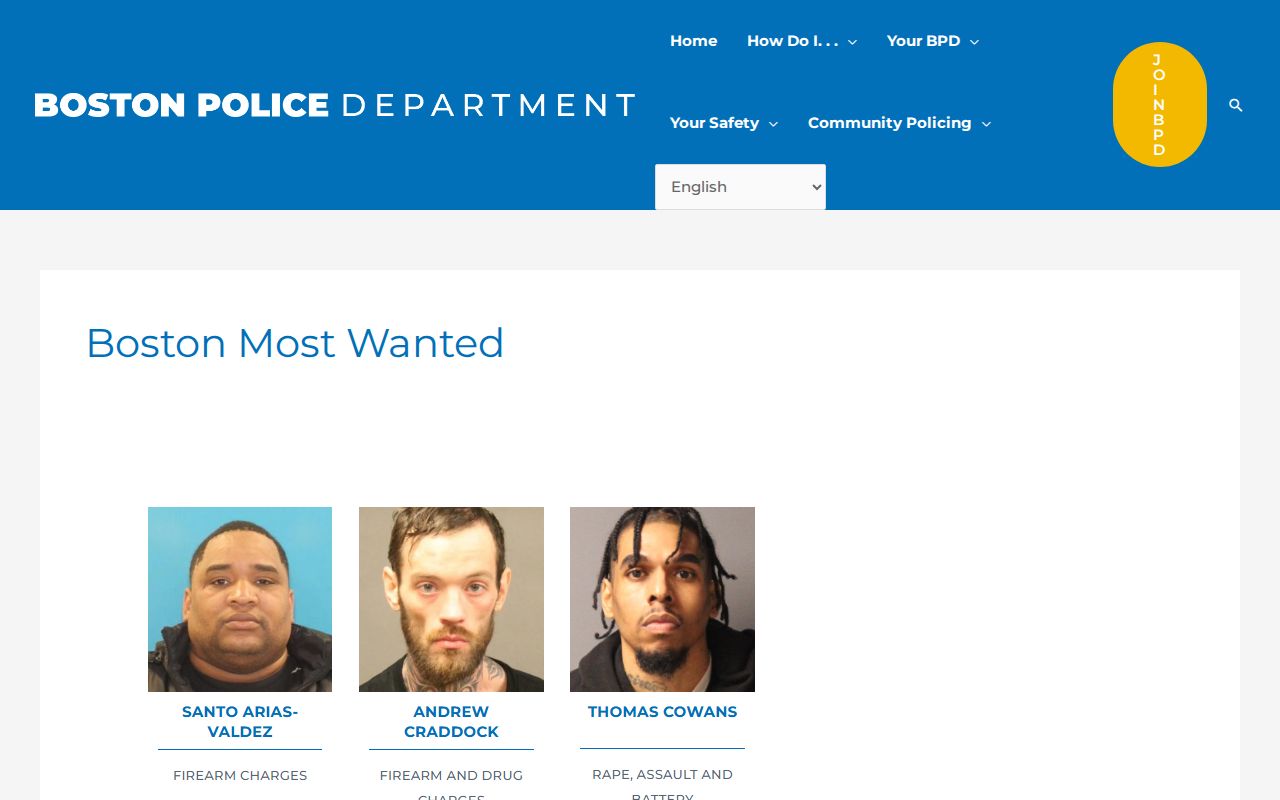
Read the Suffolk County program's validation warning before drawing any conclusion from a single post.
Reporting a Tip Safely
Tips work best through the official channel and ask nothing in return. The Suffolk County-area program lets a person pass along information without being identified. It deliberately makes no promise about any outcome.
Key Point: Use the official CrimeStoppers tip channel rather than confronting anyone or posting information publicly.
Do not send a tip about yourself if you are checking your own status. That question belongs with the issuing court clerk, not the tip line.
No Suffolk County Sheriff Warrant List
The Suffolk County Sheriff's Department publishes something quite different from a fugitive list. Its site covers custody facilities, community corrections, civil process, records access, and public records requests, plus the phone routes a family needs to ask whether someone is being held. Ask the Sheriff for a most wanted list and the honest answer is that the department's public pages do not include one. Custody questions belong with the facility records lines. Warrant status questions belong with the issuing court, which is the only office that can confirm what is actually open.
Most Wanted Lists vs Active Warrants
In Suffolk County, the two ideas overlap without matching. One is a communications choice by a police department. The other is a legal status a court creates.
| Point | Most wanted post | Active warrant |
|---|---|---|
| Who controls it | The police department that publishes it | The issuing court |
| Coverage | Selected cases for outreach | One case, tracked in the state system |
| Currency | Dated when posted | Current until recalled or served |
| How to verify | Read the warning, then ask the court | Ask the issuing clerk |
The outstanding warrants page covers how the court-side status actually works.
Suffolk County Warrant Fugitive Outreach
Massachusetts and the federal government both run curated outreach programs, and neither one replaces a court record. The U.S. Marshals Service keeps a district page for Massachusetts with profiled fugitives, a fugitive task force contact at (617) 742-5533, and a district office number at (617) 748-2500. A federal profile means federal process, handled through the U.S. District Court and the Marshals, and it never shows up in state warrant data. Program pages at both levels are dated and selective, so a Suffolk County reader should still treat the issuing court as the real source on warrant status.
If You Think You Are on a List
Start with the court, not the post. Identify the case from whatever paper you have, then call the issuing clerk and ask whether a warrant remains open and what a recall would require. A lawyer can handle that contact and the appearance that follows. Nothing about a public post changes the basic options in Suffolk County: a voluntary appearance, bail, and a motion to recall. What agencies act on is the court's record, not a dated web page.
Important: Speak with an attorney before contacting anyone about a list entry, and never approach a person based on a program post.
Checking Your Own Suffolk Warrant Status
Checking on yourself? Skip the tip line. The public docket search can point you to a case, and only the clerk can confirm whether a warrant actually stands, which is the same route laid out in the county's warrant lookup guidance. Boston's public records office runs on a separate track. Its JustFOIA system and published fee schedule cover city documents, not your Suffolk County warrant status.
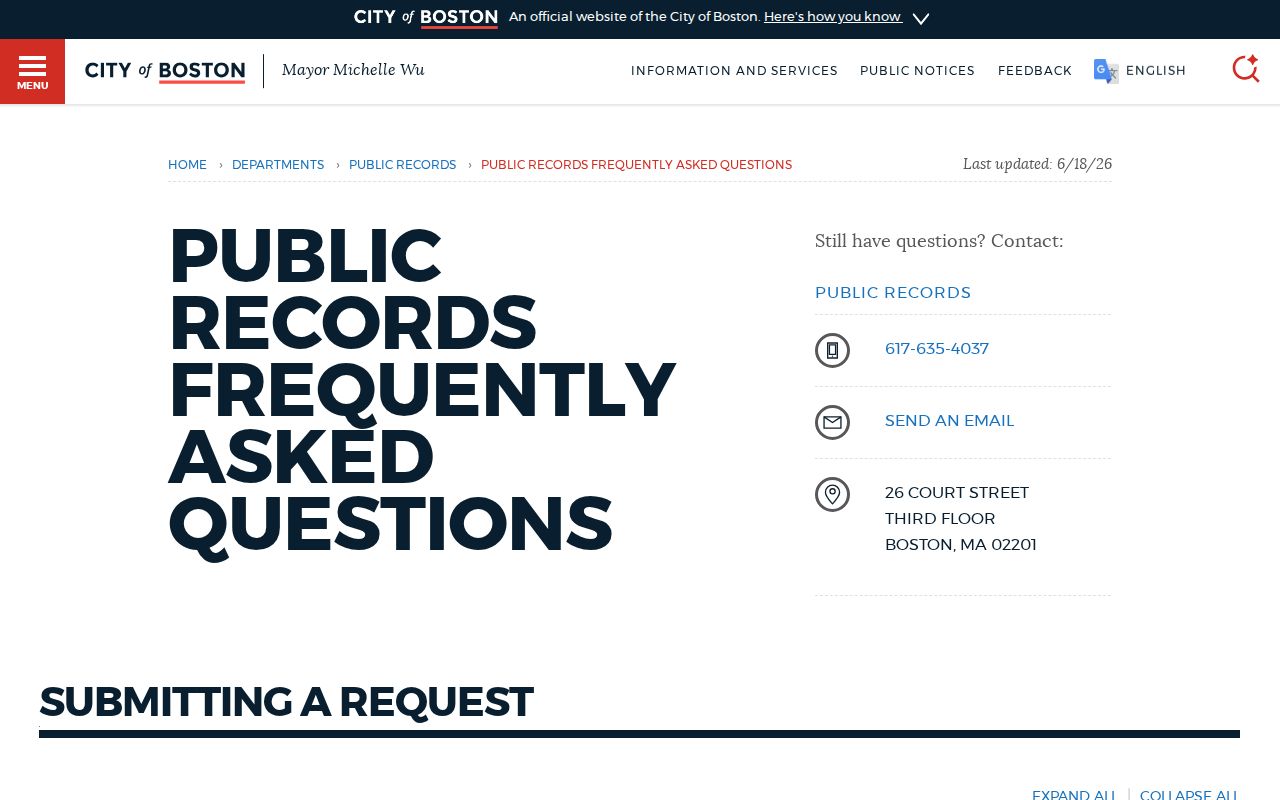
Suffolk County residents may still find that FAQ handy, since it explains how to file and appeal a city records request for policy files, though it has nothing to do with warrants.